Reactionary- backward looking and opposed to change, particularly political and social reform.
Pan Slavism- A believe that Slav race should be united- and look to Russia as the supreme Slav country for leadership.
War credits- the raising of taxes and loans to finance the war.
Inflation- the increase in prices and fall in the purchasing value of money brought about by having more money in circulation then there is to buy.
Autocracy- rule by one person who had no limits to his power
Divine right- this refers to a monarch appointed by God and answerable to God alone for actions.
Orthodox church- the Eastern Orthodox Church, with Moscow as its spiritual capital; it had its own beliefs and rituals, following a split in the Christian church in the 11th century.
Zemstvo- elected councils responsible for the local administration of provincial districts.
Socialists- supporting a political and economic theory of social organisation which believes that the means of production, distribution and exchange, should be controlled by the whole community.
Constitutional monarchy- a form of democratic government in which a monarch acts as the head of state within the boundaries of a constitution giving real power to a representative assembly.
Bureaucracy- the states administrative officials.
Okhrana- the secret police that was used by the tsar to control political parties and revolutionaries.
La Marseillaise- the French national anthem, derived from the singing of the soldiers from Marseilles as they went to war on behalf of revolutionary France.
Cossack's- people of Ukraine and southern Russia, noted for their military skill, who formed the military units and they were fiercely loyal to the Tsar.
Constitution- the set of laws by which a country is governed.
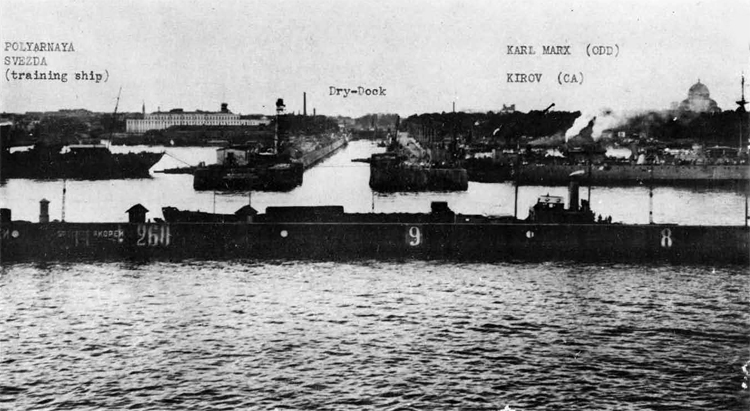
Kronstadt naval base- the headquarters of the Russian Baltic fleet.


No comments:
Post a Comment